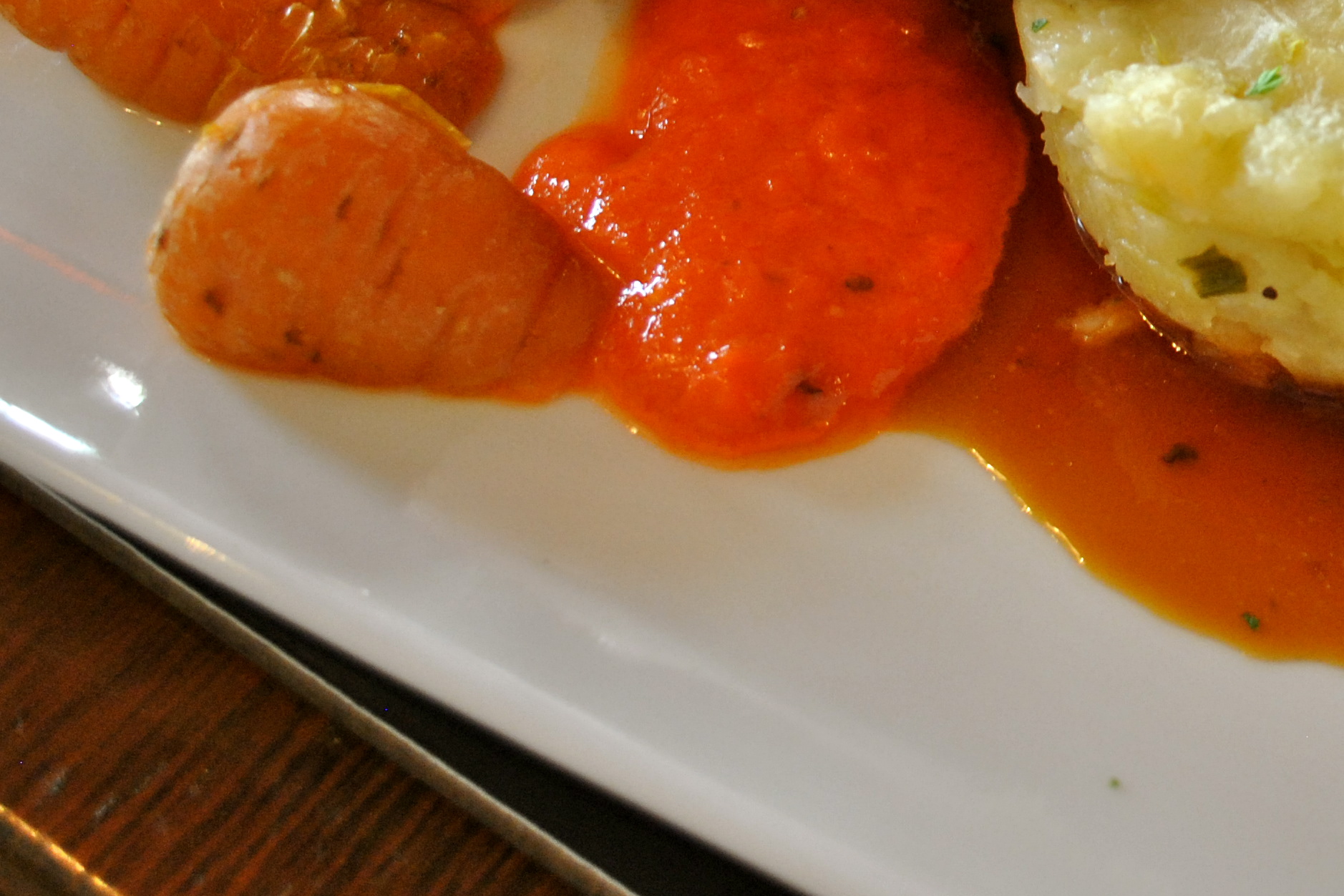
Wheaten Bread (Irish Brown Bread)

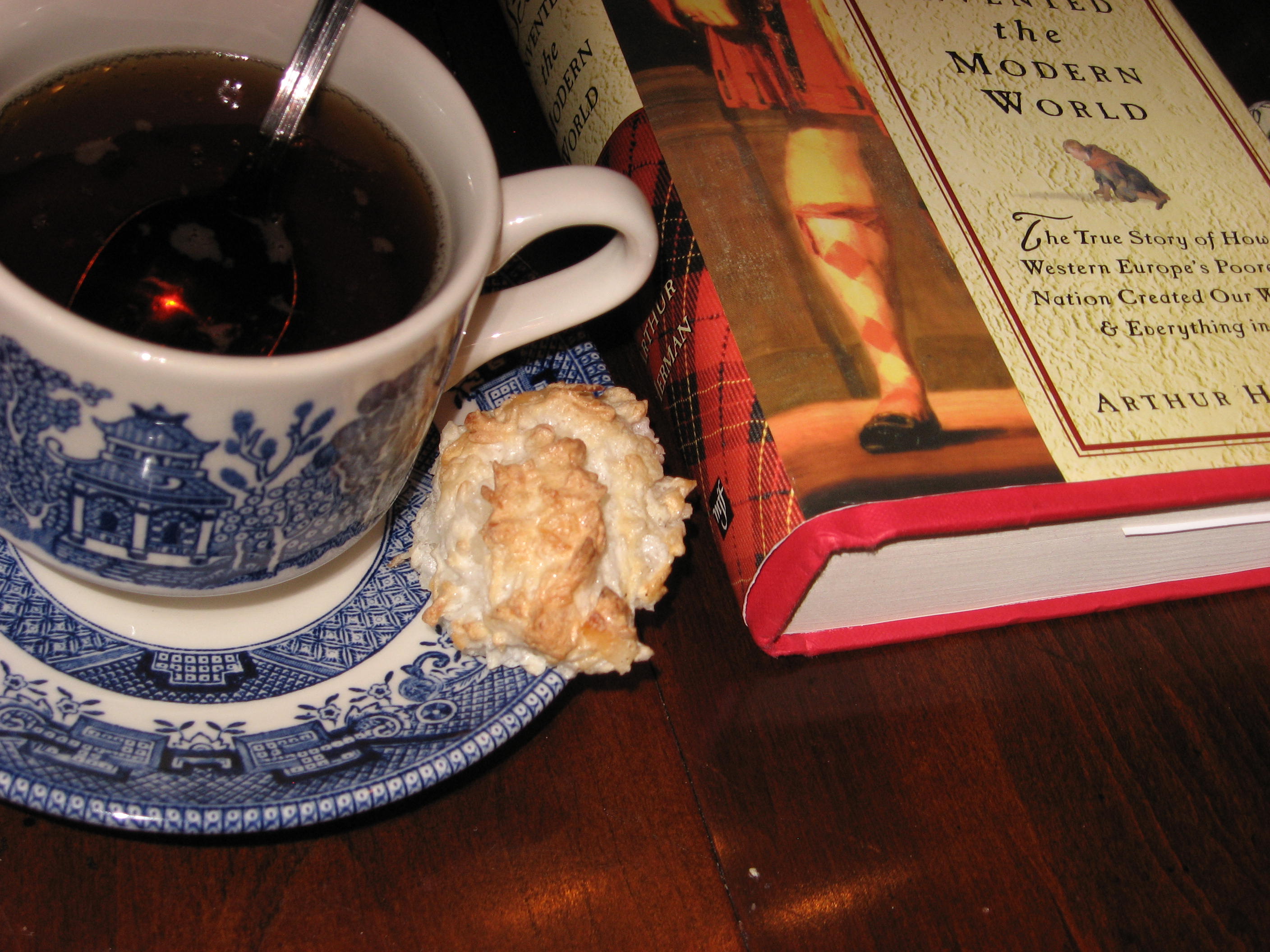
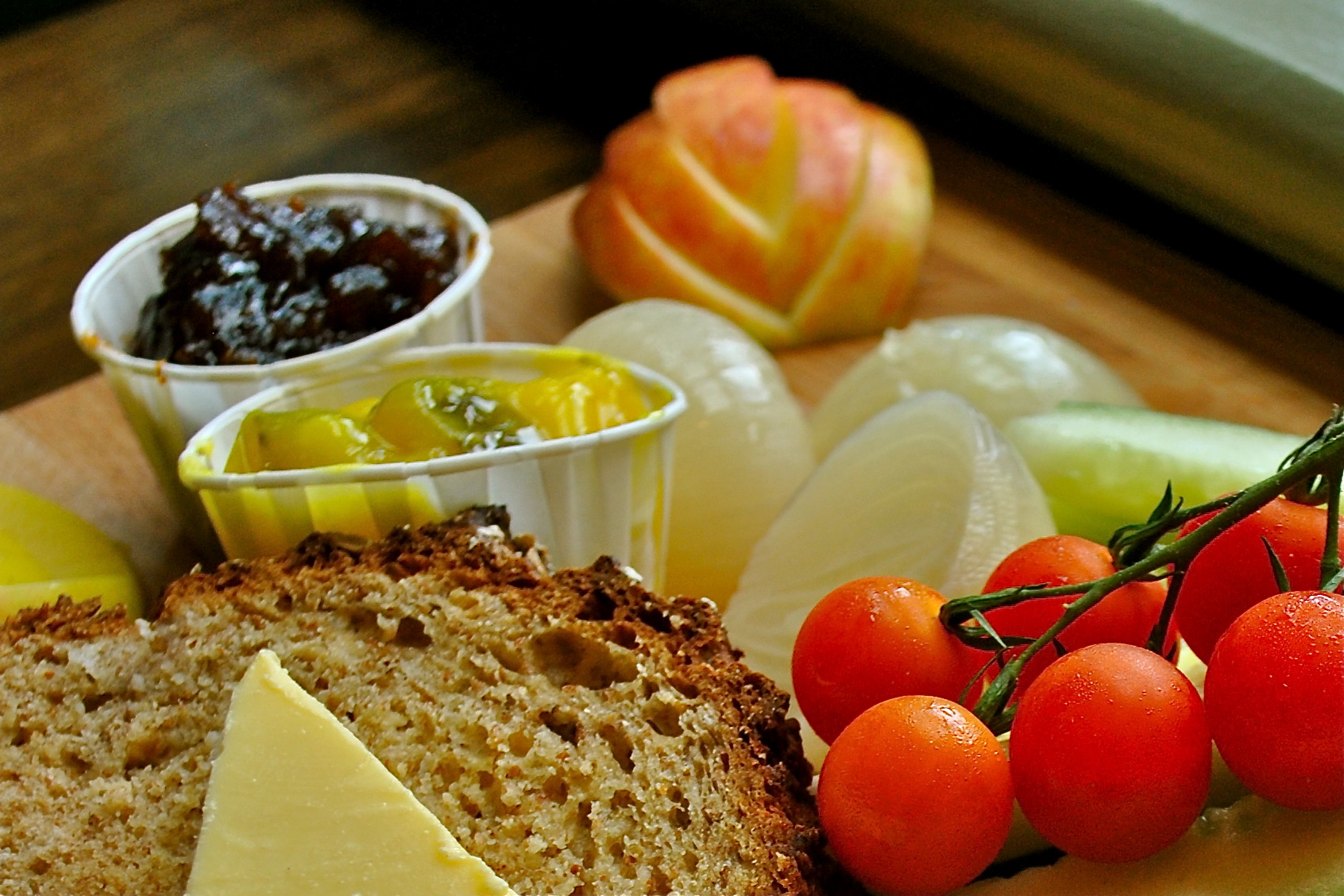
Irish Wheaten Bread 007On our first day in Ireland, for our very first meal in Europe, we had breakfast at the Railway Hotel. Besides some marvelous tea and incredible service, we also had some toast, which included a brown bread.
My foodie daughter was in love.
“Wouldn’t it be ironic,” she asked, “if after going through Germany and France, my favorite bread ended up being Irish Brown Bread, and my favorite cheese really was a sharp Irish Cheddar?”

Ne Gustibus Disputatem Est.

Ingredients:

  • 3 cups extra-course whole wheat flour
  • ½ cup bread flour
  • 1 tsp baking powder
  • 1 tsp baking soda
  • 1 tsp salt
  • 1 cup oat bran
  • 1 cup wheat germ
  • ¼ cup brewer’s yeast (optional)
  • ¼ cup melted butter
  • 2 cups buttermilk or milk
  • 1 Tbsp dark corn syrup or honey
  • 1 egg

Step 1, Prepare Ye the way: Preheat the oven to 400°, assemble all the ingredients, run to the store because you are out of butter, and grease & flour a baking sheet or cake pan.

Step 2, sifting the dry ingredients: In one bowl sift (mix if you don’t have a sifter) the flours, baking powder, baking soda, and salt. Add in the oat bran, wheat germ, and brewer’s yeast.  Mix thoroughly.

Step 3, pastry cutting: Mix in the butter, much as you would cut in cold butter or shortening.

Step 4, mixing the wet ingredients: In another bowl, beat the egg, then mix in the buttermilk and the corn syrup.

Step 4, combining the big mess: Add the wet ingredients to the dry ones and mix well. The results might be a bit gloppy. No, I take that back: they result will be very gloppy. Flour your hands and try to fashion this into a ball, and if you cannot, add a bit more flour until this is manageable.

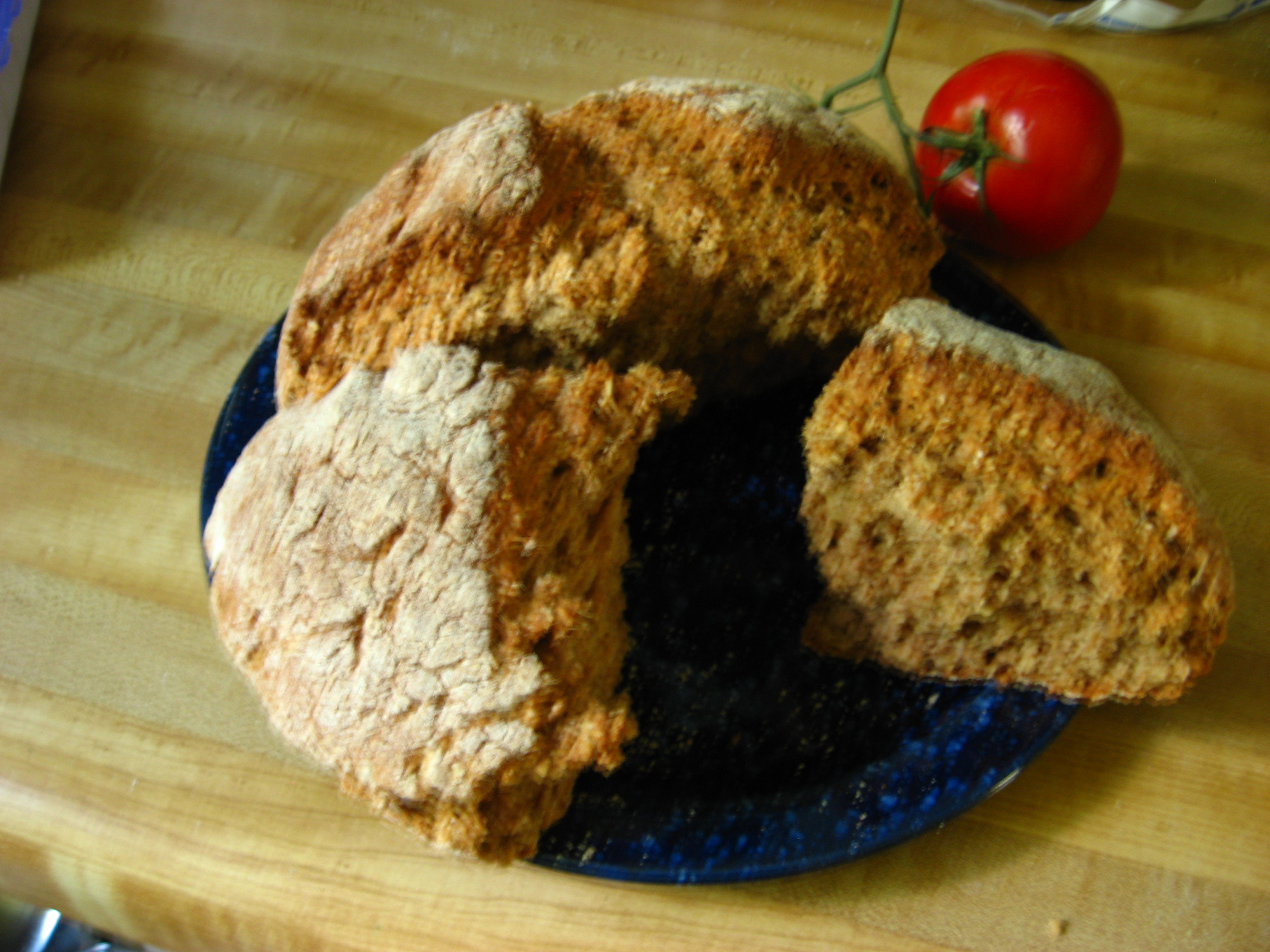
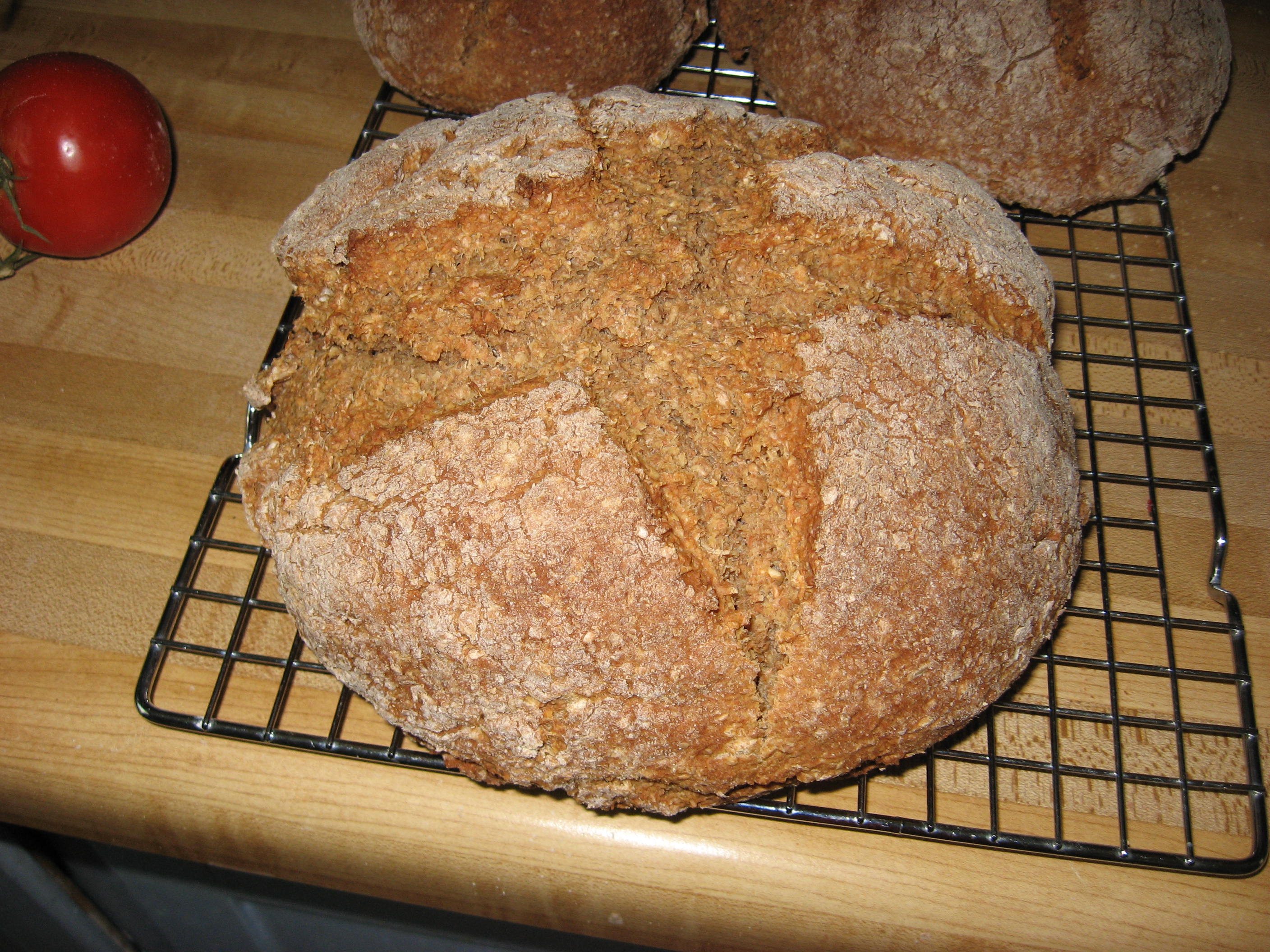
Step 5, baking: Set the round loaf (or round loaves, if you are making little ones)Irish Wheaten Bread 001 onto the pan. Score the top with a cross. Bake at 400 degrees for 30 minutes. Rotate them to make sure they brown evenly, reduce the oven temperature to 375, and bake for 30 minutes more. The result should be a crumbly brown loaf.

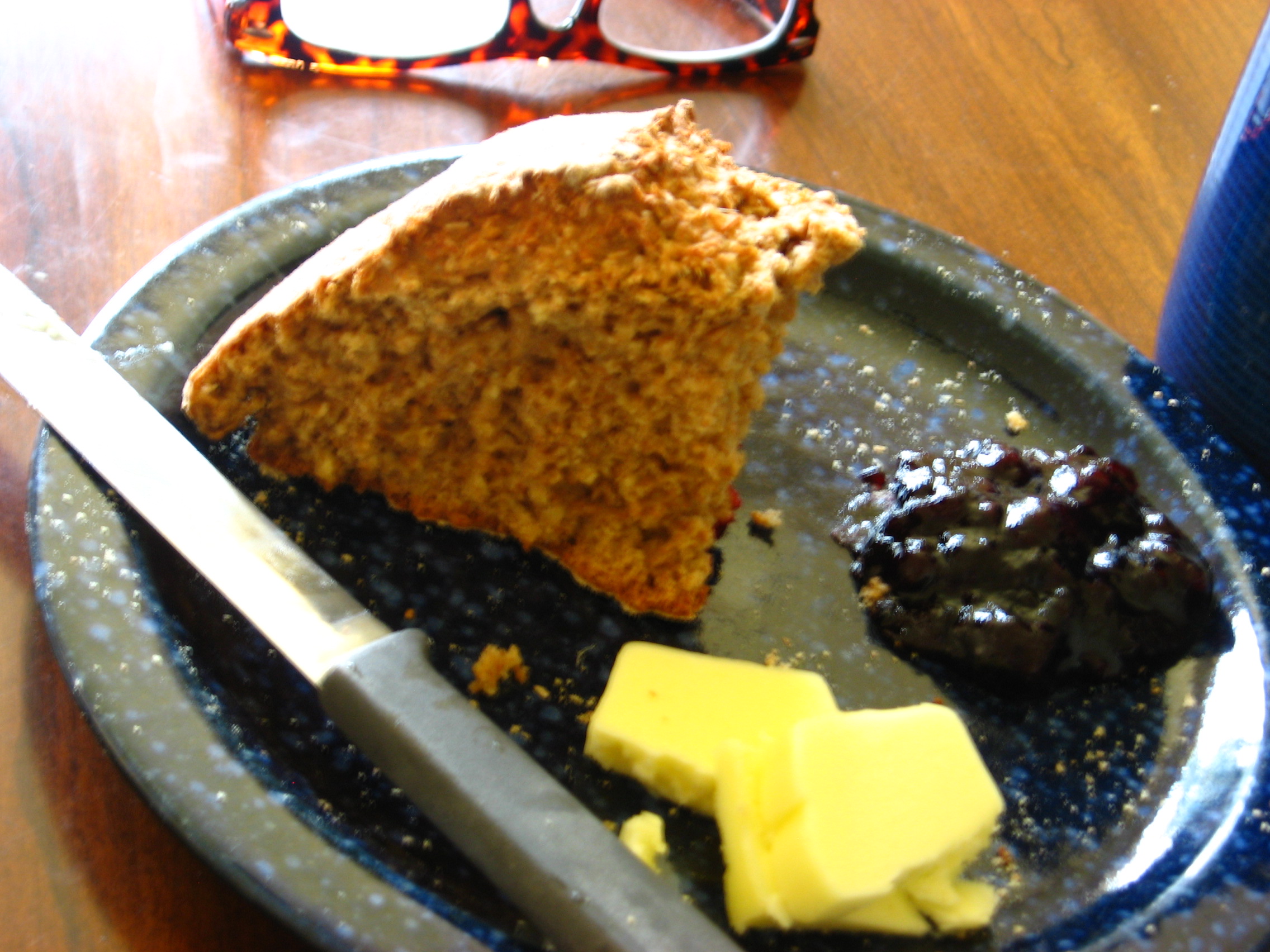
Final Step, share and enjoy They break along the score, so you can each munch a quarter. You can have them with a mug of strong Irish tea, and some cold butter, and some current jam. They are perfect as a toast for breakfast, or to accompany a hearty plowman’s lunch.
Irish Wheaten Bread 010As always, they are perfect for giving to somebody you love.

A few words about politeness

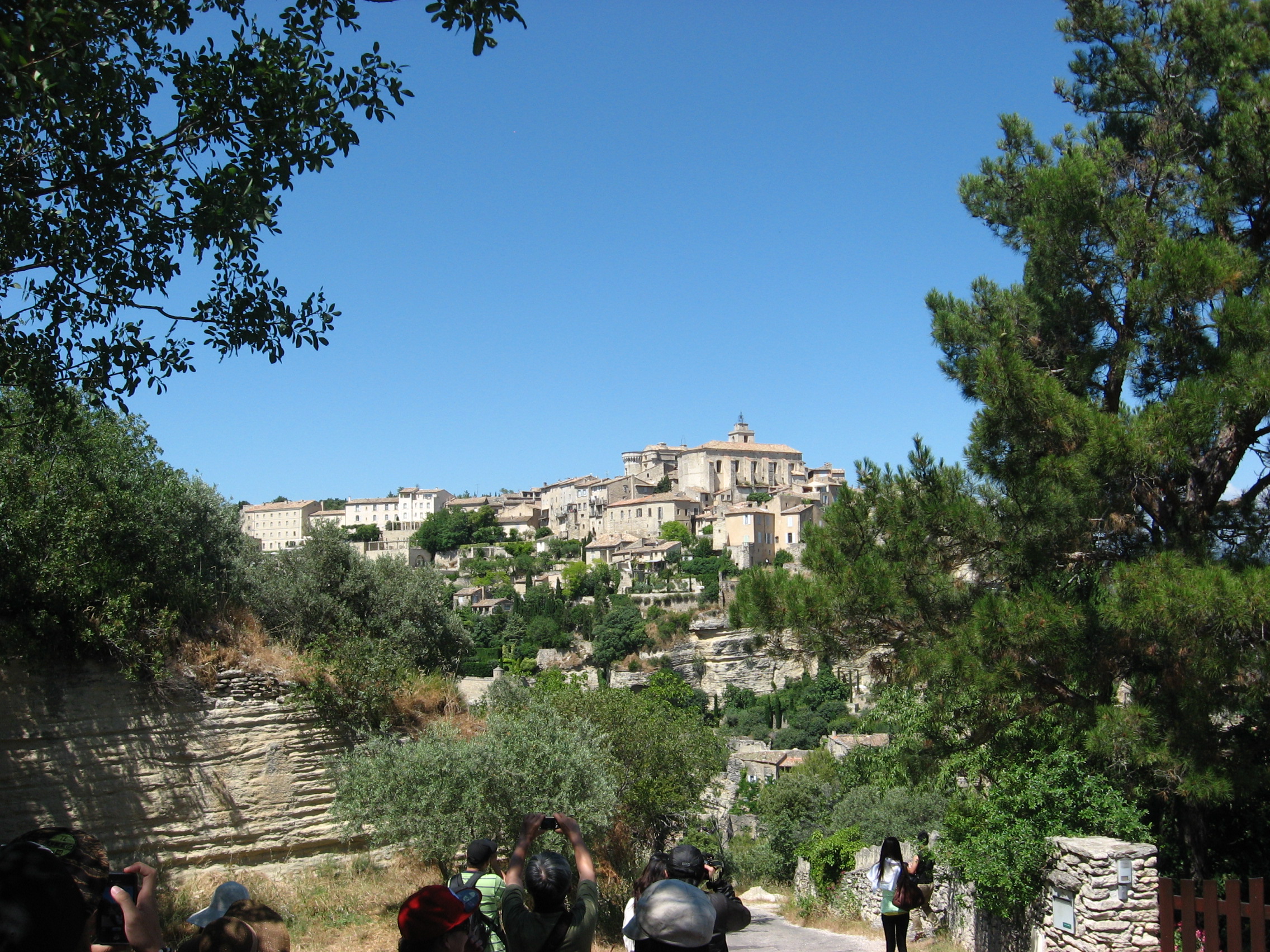
4 Cavaillon to Gordes (12)On our recent trip to Europe, we were surprised again and again by how helpful most of the people we encountered were. Yes, since you asked, even the French. In fact, some folks at the information desk in Cavaillon went about of their way to help us get the bicycles we needed to travel to Gordes (as was the artist in Gordes whose floor I woke up on after a black-out, but that is another story).

A notable quality of European politeness, however, is that they don’t seem to feel it is necessary to smile at you constantly. At first, many of the people I encountered seemed to be scowling, but they were merely concentrating on what I was saying and trying to figure out if they could be of help. It is ironic that it took me a while to figure this out, since I tend to look a bit dark if I am concentrating, perhaps even hostile. But even total strangers who had no obvious reason to do so were friendly and helpful–even people in Paris were kind and patient with us.

But not cheerful in the way we are expected to be here in the States.

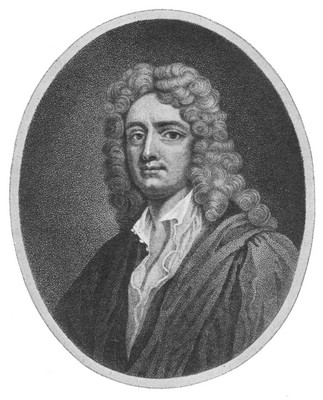
I recently discovered a very obscure 18th Century English thinker named Anthony Ashley-Cooper, 3rd Earl of Shaftesbury (1671 – 1713). I knew his Grandfather, also named Anthony Ashley-Cooper, who was a brilliant man, a lively conversationalist, a marvelous political player–although it almost cost him his head to James II–and who kept a very good table. He was also the patron of the philosopher John Locke, whom he also engaged as a tutor to his grandson.

The 2nd Earl, son of the 1st and father of the 2nd, was a git of the highest order.

Anthony_Ashley_Cooper,_3__Earl_of_ShaftesburyThe Third Earl, however, was an influential and, in  his day, well thought of thinker. Most of the thinkers we associate with what we call Moral Sentiments were influenced by him. Among his claims was the observation that we–human beings, that is–seem to have an innate (sorry, Mr. Locke) tendency towards being kind to others. Contrary to thinkers such as Hobbes or Calvin who tend to take a rather dim view of human nature, Shaftesbury observed that we do have a tendency to help others–much as that wide variety of friends and strangers helped me on my recent trip.
His idea–and this seems insightful–was that it quite simply makes us happy to make other people happy. He coined a term–borrowing it from a jewelers term for the brightness or polish of a gem, and called this politeness. For him, politeness was about structured acts of kindness towards others, not about the snobbish pretensions of court etiquette or the dull, rote, empty obligations of church virtue, but a joyful giving of oneself, and of caring.

This seems true.
This seems to be a really important insight into human nature. We take pleasure in making a baby laugh, or a kitten purr, or a dog happy. We enjoy giving presents to others, and watching their faces light up when we give them something we know they will like. When we help somebody jump-start a dead battery or change a tire, we often feel good for the rest of the day.

Unfortunately, like all pleasures, it is not enough; we grow tired of it, and look for other pleasures.315signature

Chocolate Macaroon Cookies

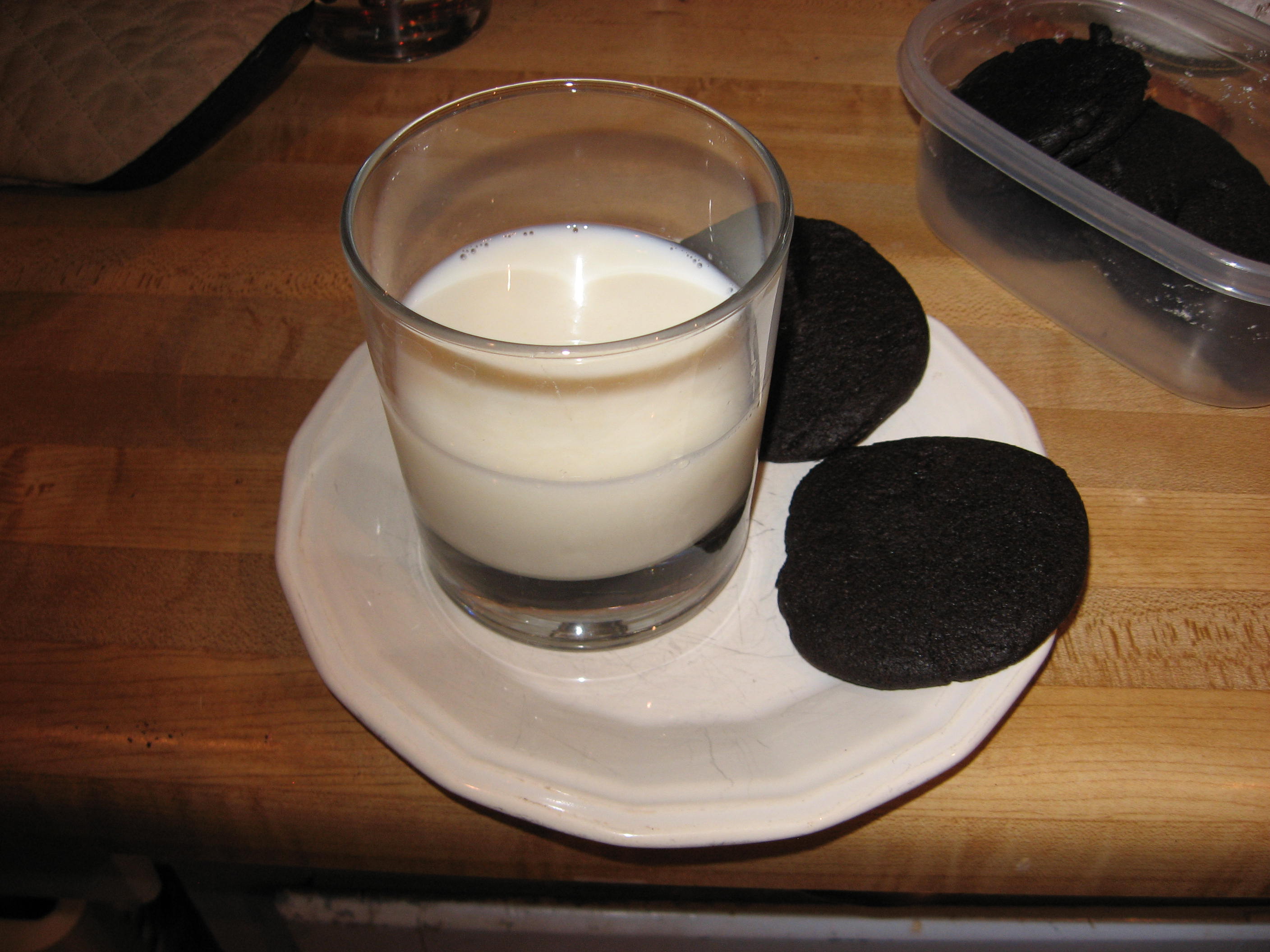
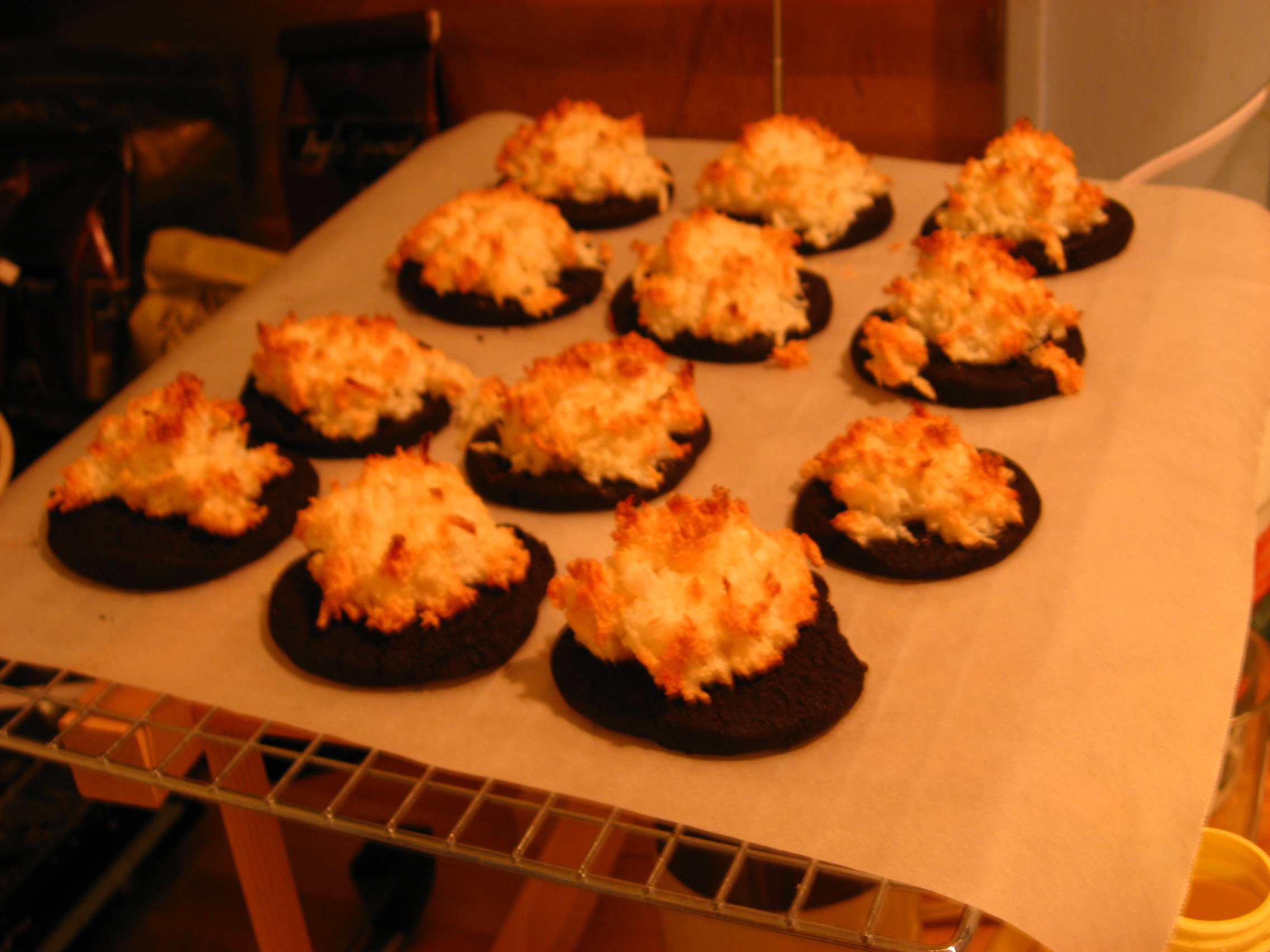
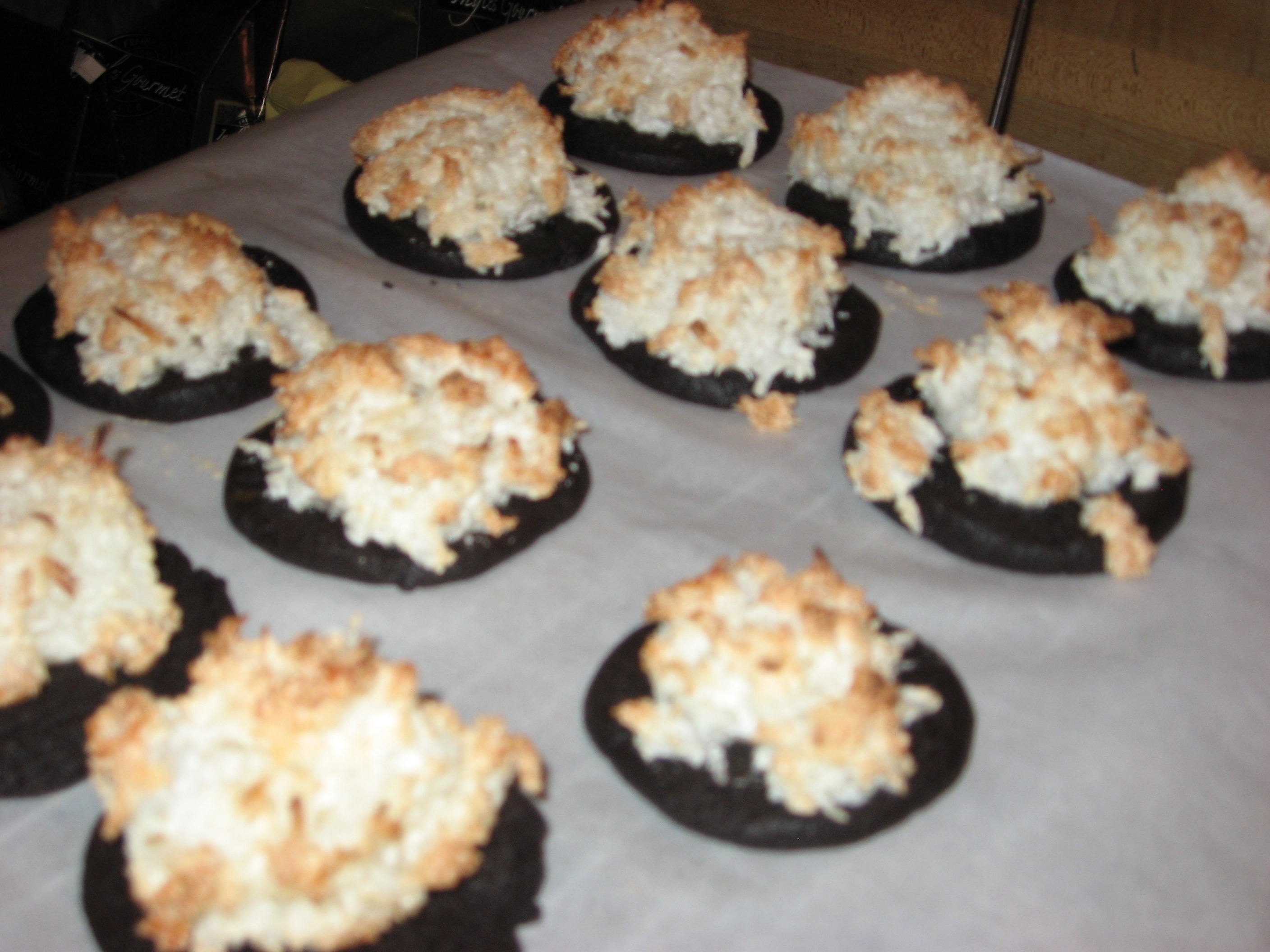
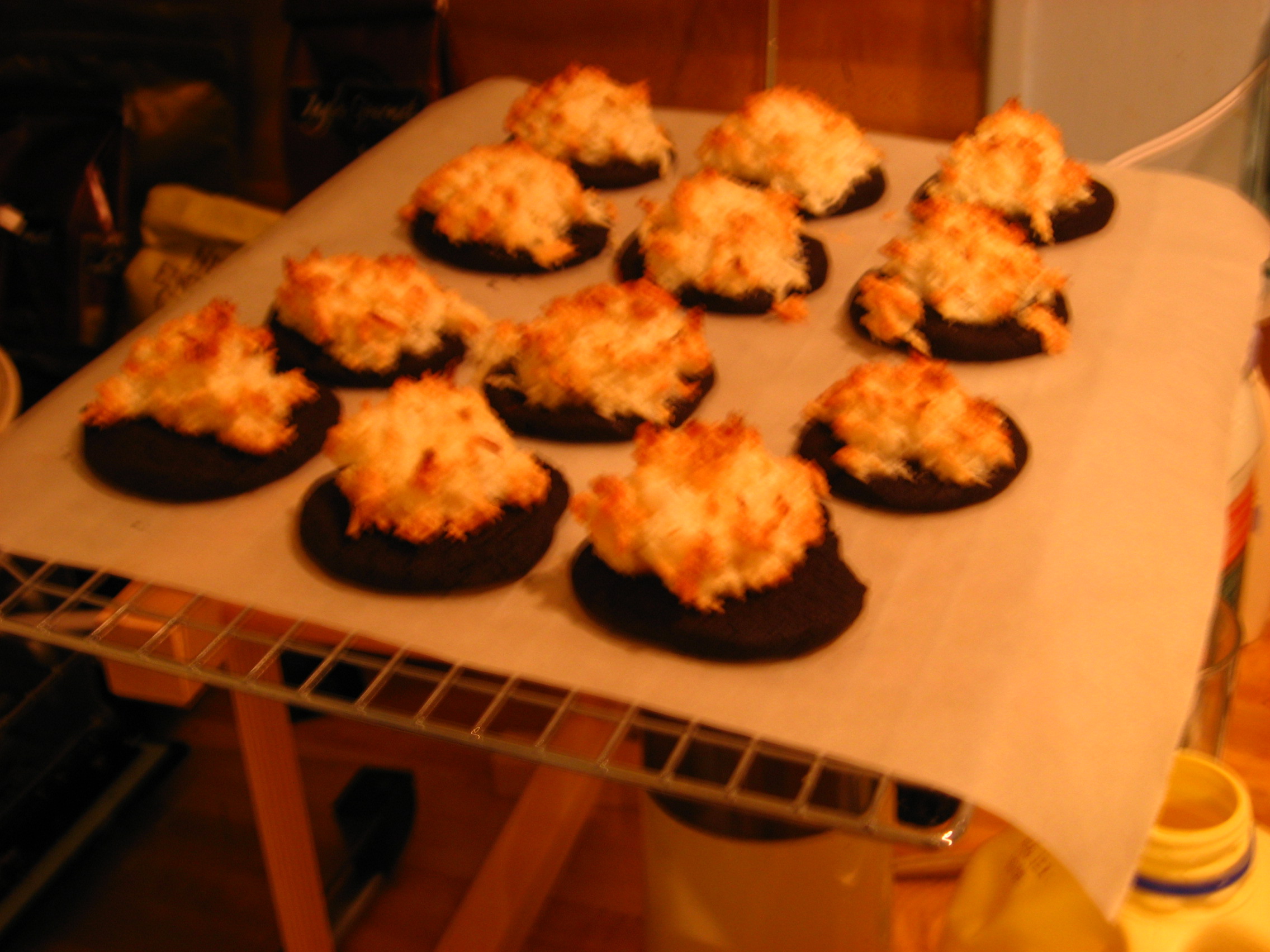
Chocolate Macaroon Cookies 010Now, I know it is lovely to have a rich, dark chocolate cookie with some cold milk.


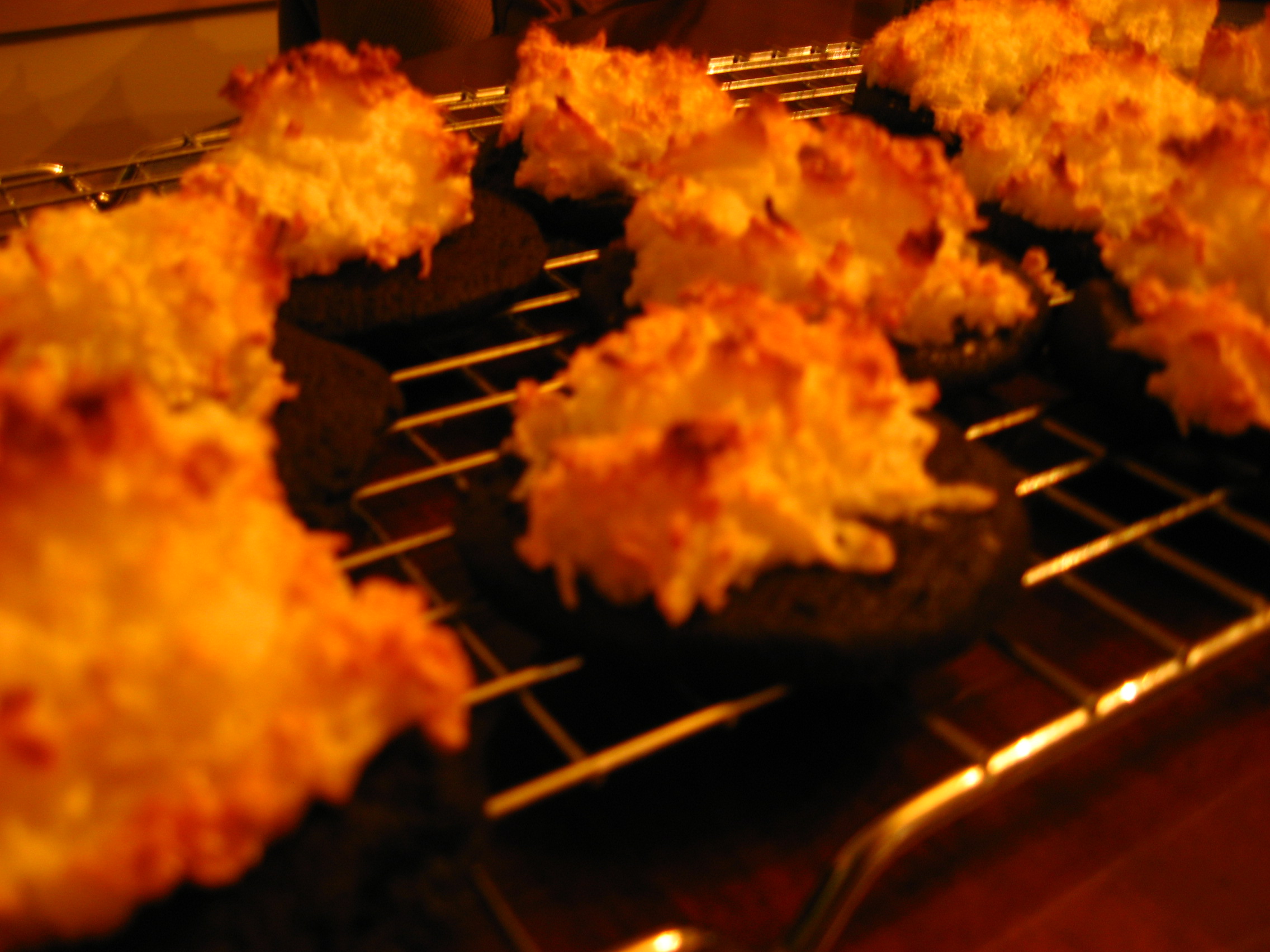
…and, in the same way, it is lovely to have a coconutChocolate Macaroon Cookies 019 macaroon with a cup of tea.


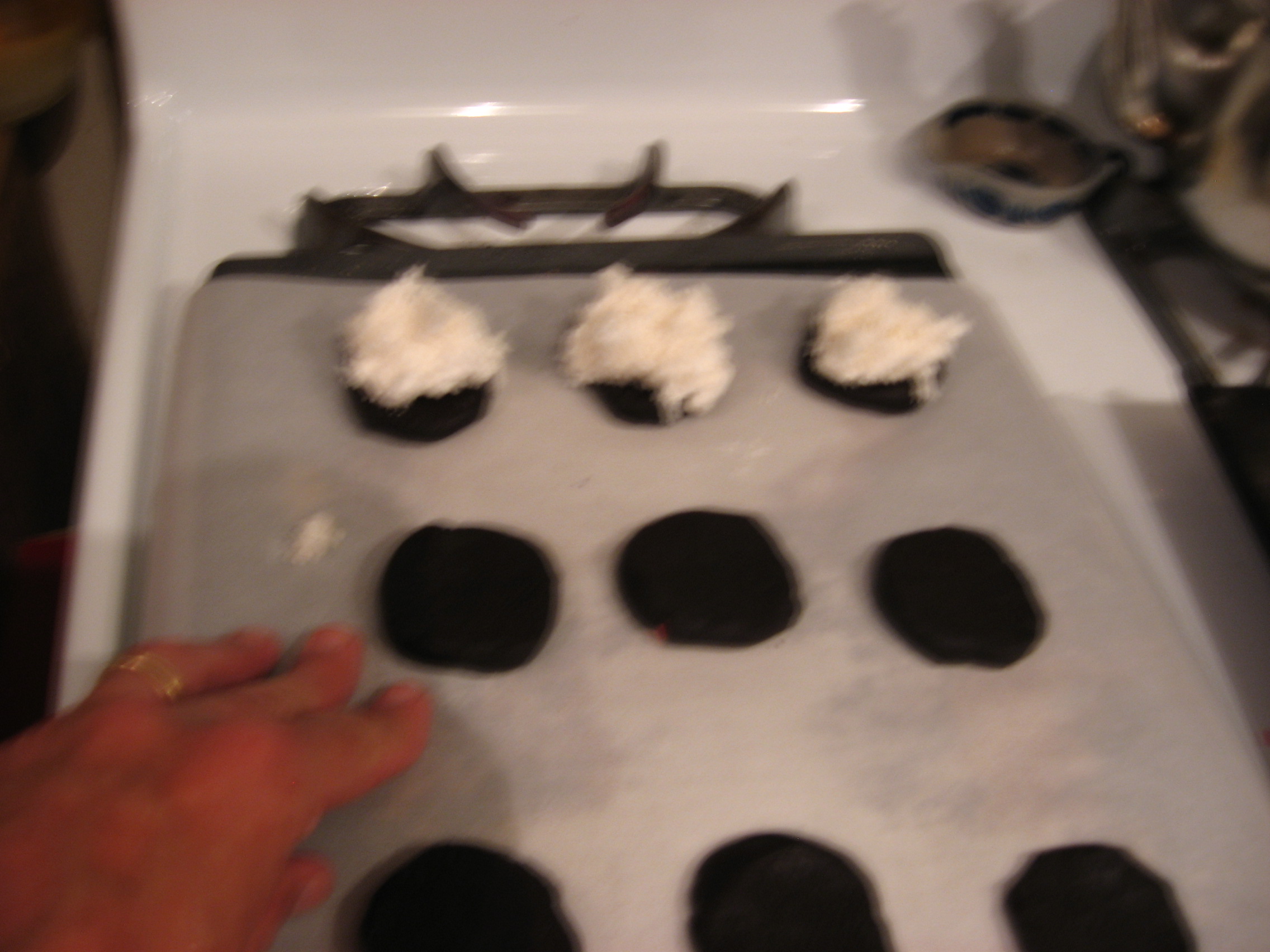
So, why not the best of both worlds? Why not have a coconut macaroon on top of a chocolate cookie?Chocolate Macaroon Cookies 017


Of course, we could take this to its natural

Chocolate Macaroon Cookies 007

conclusion, wrap the warm cookies around a broken pretzel, cover it with red food coloring, leave it in a pool of red jam, and tell small children you have chopped off Elmo’s fingers.

Chocolate Macaroon Cookies 014

Chocolate Macaroon Cookies 016Chocolate Macaroon Cookies 002

Chocolate Macaroon Cookies 024


Chocolate Macaroon Cookies 003


Why I write

The Writers Museum, EdinburghAn audio version of tonight’s Entrée is available at this link.

My dear Kirsten–

You once suggested that I write a blog explaining why I write a blog; I recall you suggested it as my first blog, but I think I have run out of other questions at the moment, and I want to avoid writing too much about Europe, so I think I will come back to it now.

I cannot remember a time that I did not want to be writing. As a child, I was always imagining, so imagining first games and then increasingly complex stories came naturally to me. For the past 40 years, I have generally fallen asleep to some story or other I am telling myself. When I did write as a teenager, the bad poetry and the stories became shorter and shorter—compressed. By the time I was in college, I was always thinking of short stories, and occasionally showed somebody else one.
Eventually, marriage, work, and academia came to exhaust my time, and I simply stopped writing.

The blog was a last ditch effort to try to start again.

I wish I could be content training horses, as you do, or working a little farm up in the mountains, or even gardening, but for me, these are just chores. I wish I could be happy only working in a bookstore, or a restaurant, or teaching, or baking bread; I love doing all these things, but they are just pleasant occupations. I enjoy spending my time with them, they relax me and refresh me, and I enjoy the company of others they offer, but my mind is drawn again and again to the world of words and ideas.

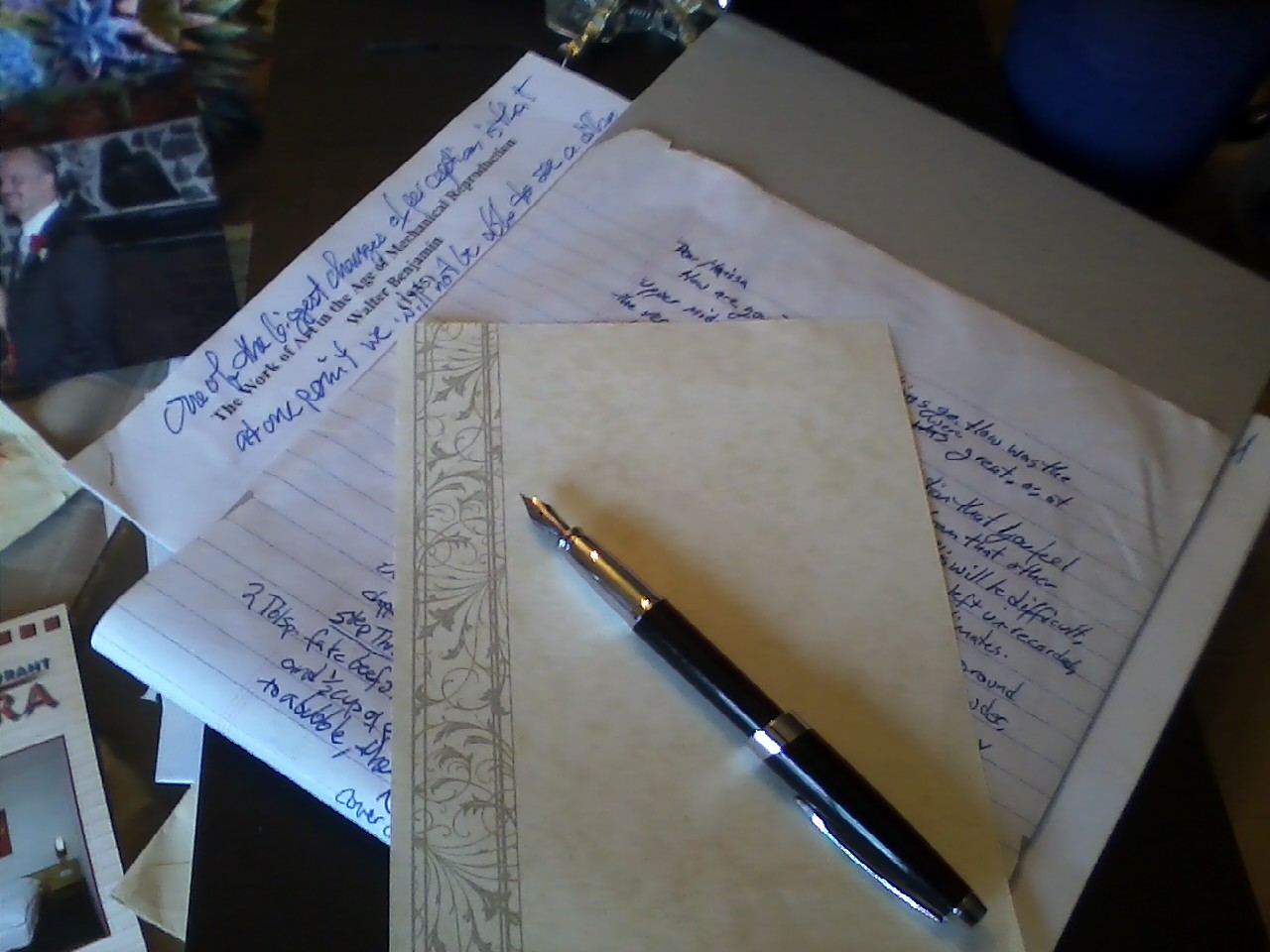
I love the way words feel as they flow off the tongue, and the way they look flowing writing2across the page. I love the way words fit together, finding their way into a seamless weave in a well-crafted sentence. I love the welcome pain of beauty that clicks into the mind and the heart upon having completed a sentence or paragraph or phrase or story or lecture and just knowing it is right. I love feeling ideas explode when I read, and explode when I write, as if I am discovering new universes within a book or within myself. More than anything else, I love the moment of the gentle bond with some other soul as a phrase or idea connects, and for just one moment we are in the same place, together.

However, as far as writing goes, here is the problem, this has always been my problem as a writer: I can’t just write.
I am a conversationalist. I need someone to write at. I am happiest in conversation.

Not a single person who knows me will find this in the least surprising, but I really am happiest in conversation. I love the banter and give and take, the flow of ideas and stories and wit. I love telling my weird stories, and listening to the fascinating experiences others have to offer. Even in Philosophy, I see the whole enterprise as a long conversation going back to Socrates and even before; I love the banter of Philosophy and the ongoing shared examination of this big ol’ goofy world. I love the stories of the people in it—I love to tell them, and I love to hear them.

I both love and am pained by writing this blog: it gives me a chance to throw a just little bit of that conversation out there, but it is all terribly one-sided. A conversation without another voice is, “alas, like an ale without a wench, or an egg without salt.” It relieves the urge, but is still sadly unfulfilling.

You know I love you, gentle readers, but I do dislike the loneliness of writing.
Would it kill you to write back?
315signature

Allotment Gardens

For those of you who do not know, I’ve just returned from 4 weeks of riding the rails through Europe.
Lake District- Hunting for Angus (edit)I am certain that I will have a lot to write about in the coming week, and I will try not to madden you with jealousy, or bore you to tears.

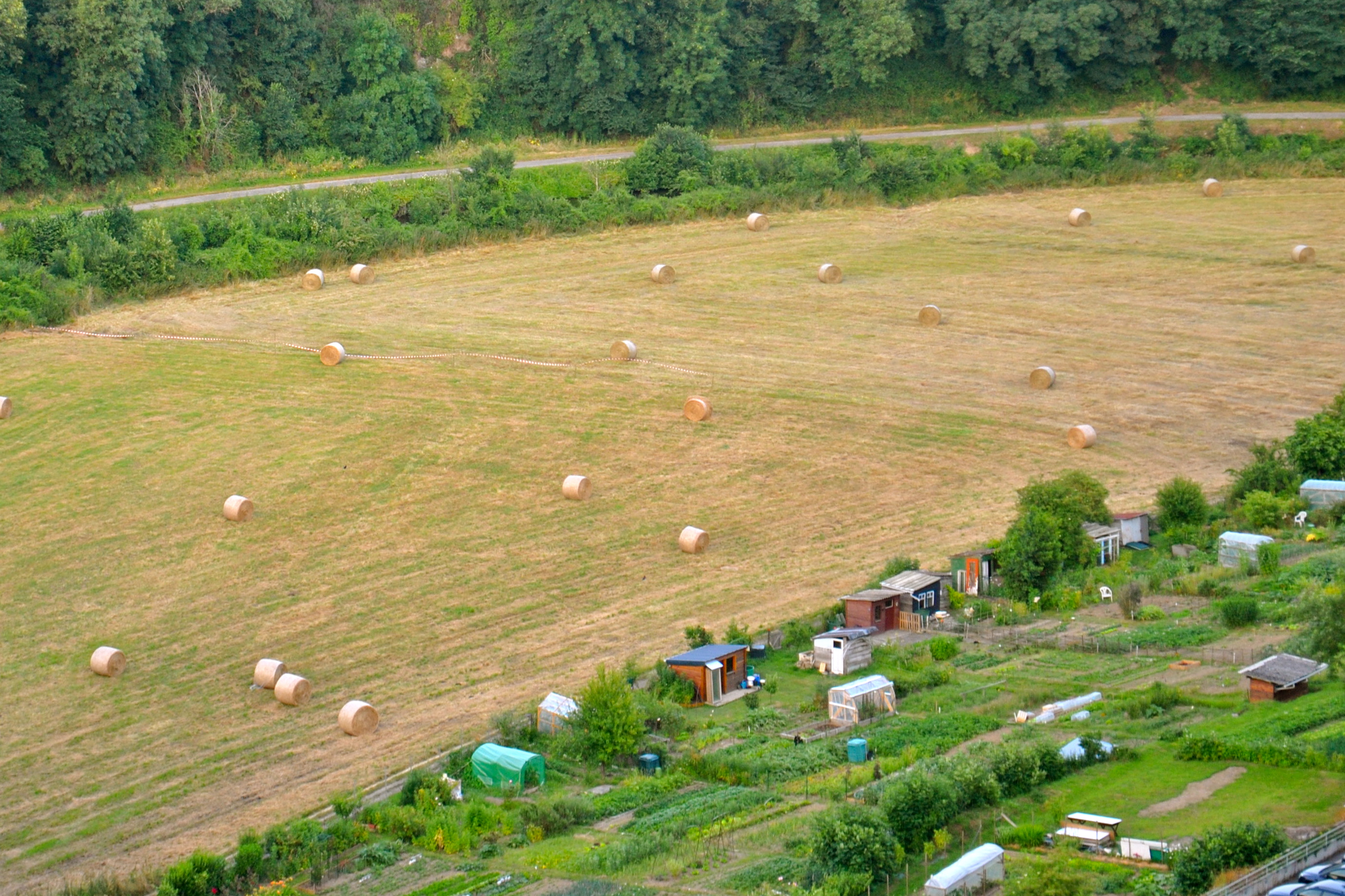
Along the railroad tracks in Austria, Germany, Switzerland, France, and the British Isles, one can spot small gardens. Imagine the grassy area, like a median, between a county road and the railroad track–maybe 12 or so feet before the gravelly slope of the railroad embankment. Now, imagine that area subdivided into little parcels, maybe 20 feet wide. Now, imagine those areas enclosed, en-fenced, and planted with well-tended gardens, and maybe even with an outbuilding. This is an allotment garden.

Allotment gardensAs Europe became increasingly industrialized, this little gardens began springing up. Many Europeans live in large cities with little garden space, or even in apartments with no garden space, sometimes without even lawns that they can actually walk on. Although there are parks, and even wonderful forests and fells to hike in, there are many people who still feel a need to have land of their own. I don’t think it is as much about owning the land (they often do not), as it is about having a little corner that they can tend, that they can grow something upon. You often see them on the weekends, working and then sitting or staying over in the little sheds. Sometimes, they will even invite friends out to their little domains to share wine and eat al fresco.
The part that struck me over and over again was the pride with which this tiny little parcels were cared for and decorated–yes, Virginia, there were garden gnomes. Since I really do not enjoy gardening–it is like housework, but dirtier and hotter, and I am really uncomfortable at the idea of permanent ownership, especially of land–this feeling is alien to me, but perhaps those of you who could imagine the desire for a tiny little farm (or even tending tiny little sheep) could try to explain it to me. However, I do believe that there is something about being human that makes us want to have our little piece of nature and of life to tend and to take care of. I don’t know if this is in spite of or as a result of our increasingly artificial and detached relationship with the natural world and with our food sources.

Either way, it seems like a lovely idea.801signature

Savory Sides

Hi, Folks; I’m back.

Excited about the food, but still wish I was on the road.

Chutney & PiccalliI have not made it back into the laboratory for a new recipe yet (although I have great ideas to try), but I wanted to say a word about Chutneys.

That word is “wow.”

Chutneys come into our food world from the Indian subcontinent, and were adapted and adopted by the British. British food has traditionally been rather bland, but Plum Chutneythey have a fine appreciation for condiments of every kind, and borrowed heavily from this spicier tradition when they occupied India as a colony. Chutney can be a variety of things, but is generally made of fruits, vinegar, sugar, salt, and spices that are boiled down to a thick sauce–about the consistency of jam. The combination of the pungent tartness of the vinegar with the sweetness and the flavor of the fruit, along with the saltiness and the spices is amazing, and allows for an infinite number of possible combinations.
Edinburgh 1It is great to accompany simple things like a ploughman’s lunch or eggs, but can be served on the side of just about anything. I had an amazing sandwich picked up at a Spencer & Marks store of a caramelized onion, wensleydale cheese & chutney.  A somewhat similar thing would be certain British forms of pickle–like Branston Pickle or Piccalilli. They can be used for many of the things we would use salsa.

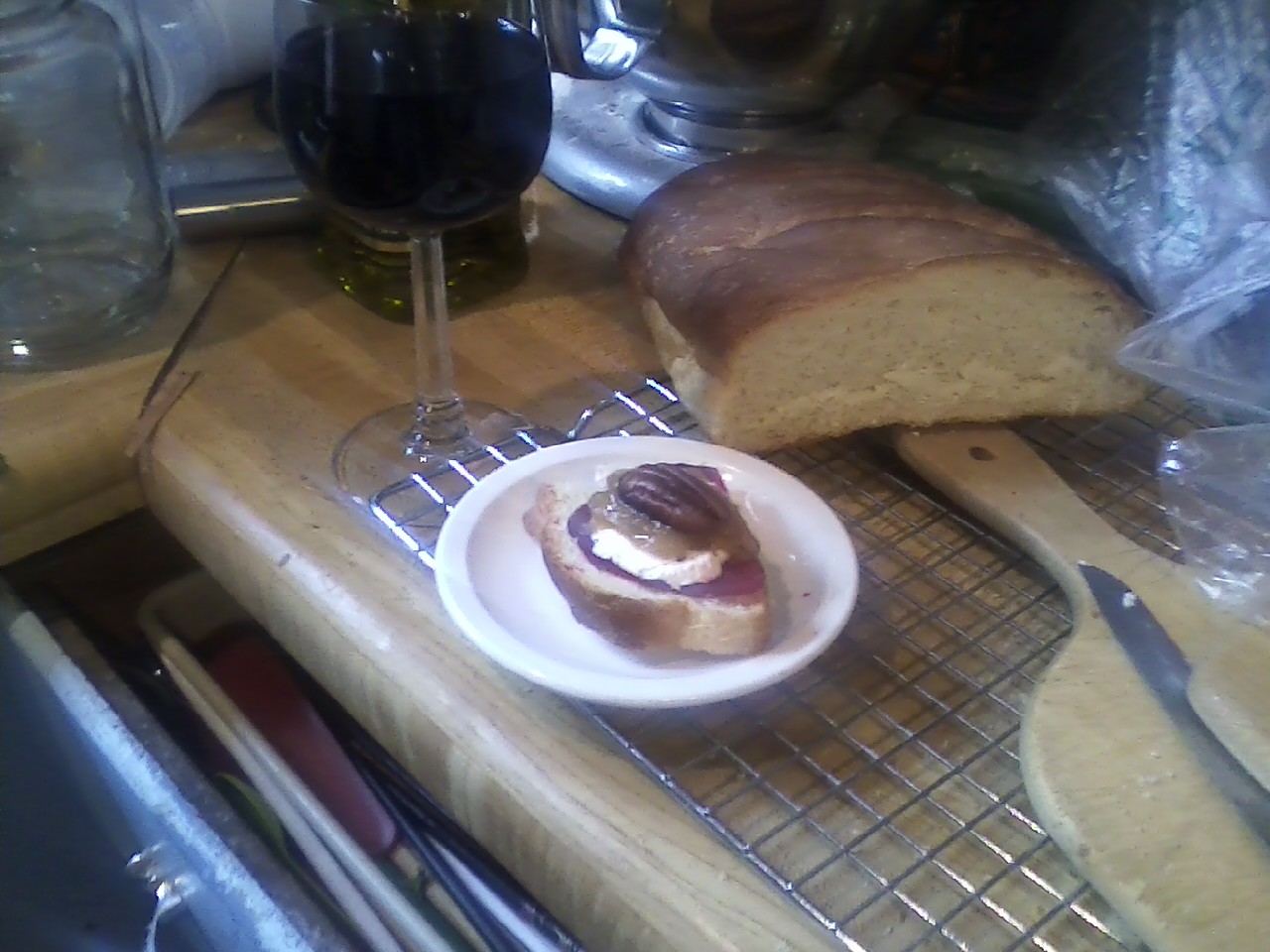
I had sort of been preparing for chutney thanks to my friends from “Eat Local Or Die!” at beet bruschetta 2the Johnson City Farmer’s Market, who make some incredible savory jams, or which my favorites are the Caramelized Onion Jam and the Caramelized Onion and Ghost Pepper Jam. I made a really interesting bruschetta by stacking a slice of raw beet, a slice of sheep ricotta salata, a dollop of Ghost Pepper Jam and some roasted salted pecans on a piece of French bread toast.

Anyway, instead of a recipe, I will encourage you to go out and experiment on your Edinburgh 2own, either boiling down that fresh fruit you have with some vinegar and making your own chutney, or by finding some and seeing what you can come up with.

Enjoy.
Share.
Love.

The True Tale of Grandma Rathbone: An Odd Coincidence at Lincoln’s Birth and Death

Hello valued bistro customers,

My apologies for not having a fresh dish prepared just for the bistro today. I’ve been cooking up a couple, but I had to delay them because I was so busy sorting out an odd story about Lincoln, which I posted at my own blog:

http://brandonclaycomb.com/2013/misc/the-true-tale-of-grandma-rathbone-an-odd-coincidence-at-lincolns-birth-and-death/

I’ll have more good mental roughage for you next Monday. Until then, keep chewing!

Brandon

Walter Was Right

Late in the Coen Brothers’ The Big Lebowski, the Dude (Jeff Bridges) corrects Walter (John Goodman), informing him that the three German men threatening to hurt them are nihilists, not Nazis. Walter replies with typical profanity,

Nihilists! **** me. I mean, say what you like about the tenets of National Socialism, Dude, at least its an ethos

Walter was right, and there’s some interesting recent social science research backing him up. As this article in Slate explains, Nazism seems to have spread fastest in those German communities with the greatest concentration of voluntary civic organizations – choral groups, athletic teams, associations of animal breeders, and so on. The stronger the bonds between individuals in a community, the easier it was for one of them to convince others to come along and join the Nazi party. (My own experience playing on a softball team during my year in Germany serves as counter-evidence, but of course this was well into the post-Nazi era and we literally could not even turn a double play, so there was no danger of us ever annexing the Sudetenland. But I digress.)

The point I take from this analysis is simple: social power is not good in and of itself, any more than electricity is. Power is the ability to effect change in the world. The more that power is used to good ends, the better. The more its used to bad ends, the worse. The gasoline that fuels your car when you drive your child to the emergency room is power used well. You can also gas up with the expressed intent to run someone else’s child down. That’s power used poorly.

This point is so simple that I could understand someone questioning why it’s worth bringing up. The answer is that I think we often forget it when we make a standard critique of our contemporary world. As the Slate piece notes, political scientist Robert Putnam’s 1995 book Bowling Alone has been only one of the most prominent attempts to argue that Americans have largely ceased to take part in voluntary civic organizations that build trust, form relationships bigger than circles of friends, and make it easier for people to assemble spontaneously to take on a common problem. That is a shame, if we really are getting worse at building these sorts of attachments. That sounds like a recipe for greater loneliness and isolation. But even if such relationships are good in themselves – and I think they are – they might be used for ill purposes as well as worthy ones.

So the next time you see someone who seems like a total loner – the kind of person who will never join a bowling league – it may seem counter-intuitive, yet it might be right to say, “Well, at least s/he probably isn’t likely to ever become a Nazi.” Nihilists aren’t suited for an ethos.


Brief Reflections on Turning 42

So I turned 42 today. It feels like I’m getting into the groove of this being over forty thing. Actually turning forty seemed like a novelty. Forty-one was just more of the same. But forty-two? I can see the pattern now.

There’s something so cocky about calling this “middle age,” as if the universe owed me a good forty more years. But they didn’t call it “The Thirty Years War” until the war was over. They didn’t finish year fifteen and say, “Well, we’re half done now.” Things end when they end and you don’t know when. One of our girls got her front teeth slightly loosened on a festival ride the other day and had to go get a late night X-ray. (She’s fine.) When her sister found out that she had to go to bed while her sister got to stay up late having fun at the dentist’s office, she said, “That’s not fair.” I laughed and said, “I don’t think that’s what that word means.” But I guess I’d feel a similarly misplaced sense of injustice if I discovered that I was closer to the end of my stay here on earth than to the middle. Maybe that’s a bad attitude. Back when he was only mildly insufferable, way back when he co-hosted ESPN’s “The Big Show” with Dan Patrick, Keith Olbermann had a standard line when he had to report that a slightly injured baseball player was listed as “day-to-day”: “We’re all day-to-day.” So we are. Might as well face it.

I don’t honestly remember the event, but my first conscious experience of mortality must have been when my Great Grandfather Burt Thurman (“Mr. Burt”) decided he wanted to ride his horse one more time and got thrown. He lasted a little while in the hospital but the fall basically killed him. The whole family had been watching his ride, including me, just three years old. As they were getting ready to drive him to the hospital, I took it upon myself to cheer him up by saying, “Mr. Burt, a lot of people think it’s awfully funny, an old man like you falling off a horse.” They told me he laughed about it later, but he wasn’t very happy at the time. I like to think that I was just trying to give him a little perspective.

About three years later I received my second exposure to death. Mom and I came home from school on a hot early June day and found our sheep dog Morton had strangled himself trying to get to his water. Mom ran inside. At the time I thought she was upset, but now I’m pretty sure she was running to call for help. In any case, the screen door slammed behind her and stuck, so I couldn’t get in. I had to stand there for what seemed like a long time right beside my dead dog. I didn’t like that.

But while I’m sad that Morton died so painfully and that Mr. Burt got hurt falling off his horse, I appreciate a little better now why we all have to move on. There’s a time to bloom and grow and a time to decay and fade, to make room for the next season’s blooms. I do like to imagine that every day in every way I’m getting better and better, but there’s increasing evidence that it isn’t so. If I’m improving at anything, it’s accepting that the roller coaster doesn’t only go up, and that most of the fun is in the coming down. So, as much as my planning counts for – which might not be much – I plan to be around for a lot more of this ride. But I may have already passed the peak. And that’s alright. Do not rage against the dimming of the light. Go gently in, and then sleep tight.


Hitting off the Tee in the Game of Reasons

One staple of Philosophy is that we human beings inhabit (at least) two worlds: the one in which events are determined by physical causes and the other in which actions are governed by reasons.
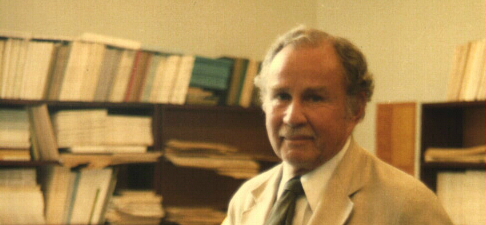
Wilfrid Sellars

Most books in pictures of professors like this are cardboard fakes from IKEA. Colleges and universities hand them out when faculty are hired.

The 20th century American Philosopher Wilfrid Sellars invented the phrase “The Game of Giving and Asking for Reasons” to describe aspects of the second world, and I’m adapting it here.

No, no. Wrong game. In the Game or Reasons you don’t win or die – you’re just right or wrong.

As I’ve mentioned in some other dishes here at the Bistro, there’s ample evidence that our reasoning doesn’t always function in our lives the way we like to think it does. We’d like to believe that our reasons are the causes of our behavior rather than just their after-the-fact rationalizations and excuses, but the evidence indicates that this is true only in certain controlled circumstances. Nevertheless, learning to play the Game of Reasons remains essential to our humanity in two respects: first, if we ever want to overcome our worst impulses – whatever they are – good reasoning will play a necessary role; and second, if we don’t want to overcome those impulses, but also don’t want to be blamed for acting on them, reasons will come in handy then too.

That’s why I’m always pleased to see my step-daughters hitting the ball off the reasoning tee. Here’s one of my favorite examples. Last fall A was sick and had to stay home while her twin sister B went to school. Around noon I needed to run some errands and took A with me. We stopped to get some cash and A said, “Look, it’s a McDonald’s.” I agreed that the building next to us was, indeed, a McDonald’s, and A continued by saying, “I sure would love some McNuggets right now.”

But I knew that didn’t tell the whole story. McNuggets, as you likely know, are sufficiently nasty by themselves. I can’t remember or find the exact account, so I hope I’m not making this up, but I seem to recall Anthony Bourdain – author of Kitchen Confidential author and star of shows such as No Reservations – being asked in an interview the strangest food he had ever eaten and answered “unwashed warthog anus.” (I’ll give you a second to reread that last phrase. Now let’s move on.) Oddly, the interviewer followed up by asking what was the most disgusting food he’d ever eaten, and without pausing Bourdain responded, “A McNugget.” The girls’ mother and I agree in principle, but on the rare occasions when we do take them to McDonald’s as a special treat they kick the gross factor up a notch by ordering vanilla ice cream cones and dipping the McNuggets in the ice cream. Keep in mind that these are people who mix virtually no foods. If we put vegetables in their eggs, they react like LL Cool J’s character in Toys. But this combination works for them. My arteries seize up in sympathy just watching this meal.

Fortunately, I had an answer. “Honey,” I said, because I talk that way, “I need to go to The Grange to get some hay and pellets for Turbo.” (And yes, we have a guinea pig named Turbo. Don’t judge us.) “That’s near the Chocolate Factory and I thought we could go there and pick out some candy for you and your sister.”

You don’t need a golden ticket.

A pondered this proposal for a moment as I pulled out onto Gilman Boulevard and said, “Well, if you think about it, I still have candy left over from last year’s Halloween and this year’s is coming up again soon. I don’t really need any more candy. I’d rather have the McNuggets.”

Well argued, I thought to myself. But I had an ace up my sleeve. “That makes sense, honey. But I know you’ll want ice cream with your McNuggets, and I don’t know a good way to get ice cream home for your sister.”

Again A thought this over as I continued on toward The Grange and the Chocolate Factory. “Well,” she said, “we don’t have to tell her.” 

“That’s true,” I responded, doing my very best not to laugh, “but I’m not sure that’s a good idea. Think about if the situation were reversed and your sister got to go to McDonald’s and you didn’t, and we didn’t tell you. I don’t think you’d like that very much if you ever found out.”

We crossed the last major street before our destination and I thought I had won. Then A played her last card. “One time last summer J (our neighbor) gave us all candy bars, except for T (her son), and she told us not to tell him.” I looked in the rear view mirror. A looked back at me calmly. She didn’t yet know the phrase, “So there’s precedent,” but I could tell she got the concept. I turned around. We went to McDonald’s. It was as gross as ever, watching that deep fried breading dip into the sugary white goo. And I knew that I was rewarding problematic behavior. No amount of explaining exactly why I turned the car around would convince the Dopamine receptors in A’s brain – which at that very moment were marinating in all that oily, bready goo – that it was reasoning I meant to reward, and not duplicityBut I decided it didn’t matter. As usual, what was most important to me was that we were playing together – and one of my favorite games. We would work later on playing the Game of Reasons right. Right then, I was just so happy watching her take a smooth swing and make contact.

Photo credit: Cynthia Freeland, Bantam, Boehm’s.